Charting Cross-Platform Wallet Integrations That Streamline Multi-Game Access in Regulated Digital Environments
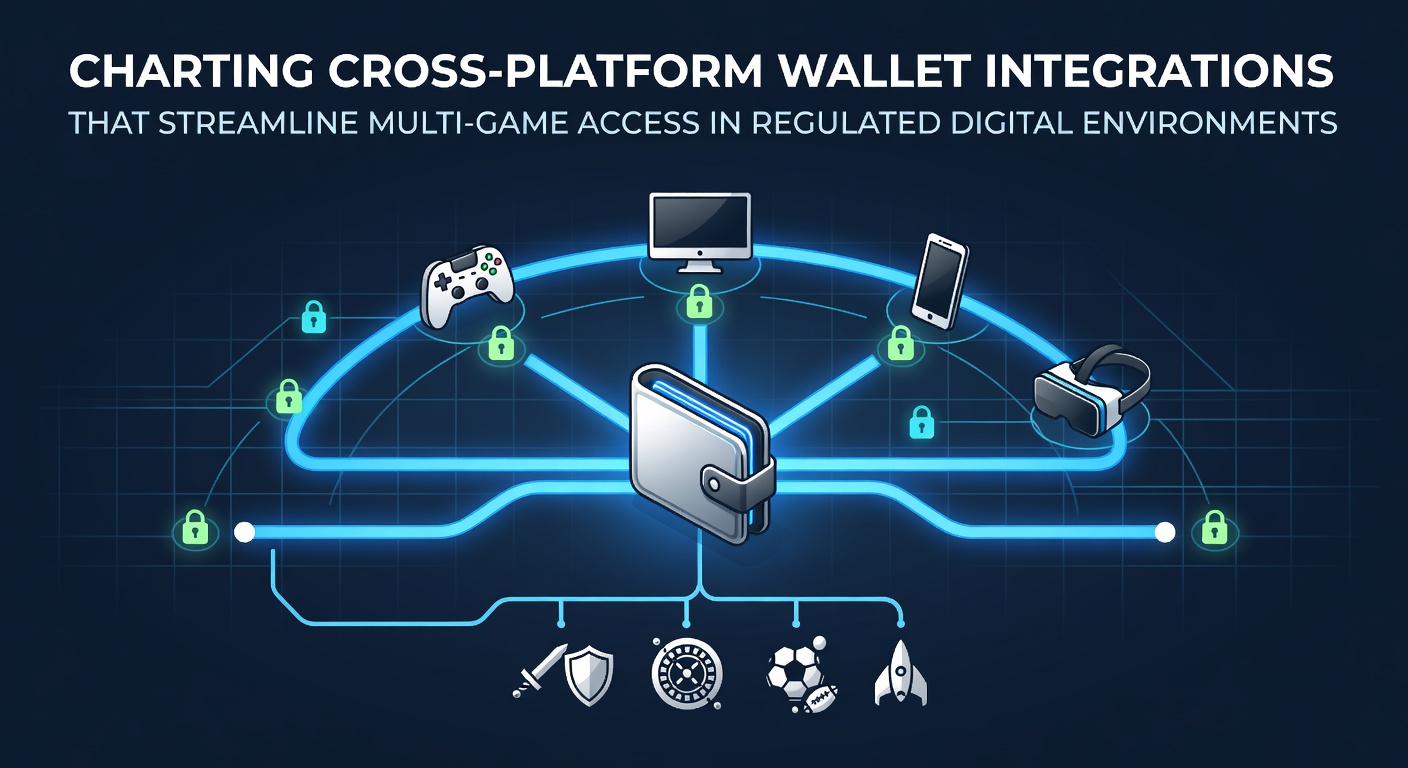
Regulated digital gaming markets continue to expand wallet solutions that connect various platforms and game categories through unified interfaces, allowing participants to navigate slots, table games, and live dealer sessions without repeated funding steps, while data from state oversight bodies shows steady adoption rates through early 2026. These systems rely on standardized APIs and secure tokenization methods that maintain transaction records across operators licensed in multiple jurisdictions, and operators in places such as New Jersey and Ontario have reported integration timelines that shortened average session setup by measurable margins according to figures from the New Jersey Division of Gaming Enforcement.
Core Components of Cross-Platform Wallet Architecture
Wallet architectures in these environments typically combine centralized ledgers with distributed compliance checks, which means a single balance can fund activity on separate game servers without manual transfers, yet each move stays logged for audit trails required by licensing authorities. Developers use protocols that embed geofencing and identity verification at the wallet layer, so access remains restricted to approved regions, while encryption standards align with those outlined in reports from the International Association of Gaming Regulators. Such setups reduce friction for users who switch between mobile apps and desktop clients, and testing data collected in regulated markets indicates fewer dropped connections during game transitions when wallets handle session handoffs automatically.
Regulatory Frameworks Guiding Integration Standards
Regulators in different regions establish rules that shape how wallets interface with game providers, and these guidelines often require real-time reporting of fund movements plus segregation of player funds from operator accounts. In May 2026 several North American commissions updated technical specifications to accommodate faster API responses, which has encouraged operators to adopt modular wallet designs that scale across sports betting and casino verticals without separate compliance modules. European frameworks, including those managed through the Malta Gaming Authority, emphasize audit compatibility that allows cross-border operators to maintain consistent wallet states, whereas Canadian provincial rules focus on player fund protection through mandatory reserve calculations tied directly to wallet balances.
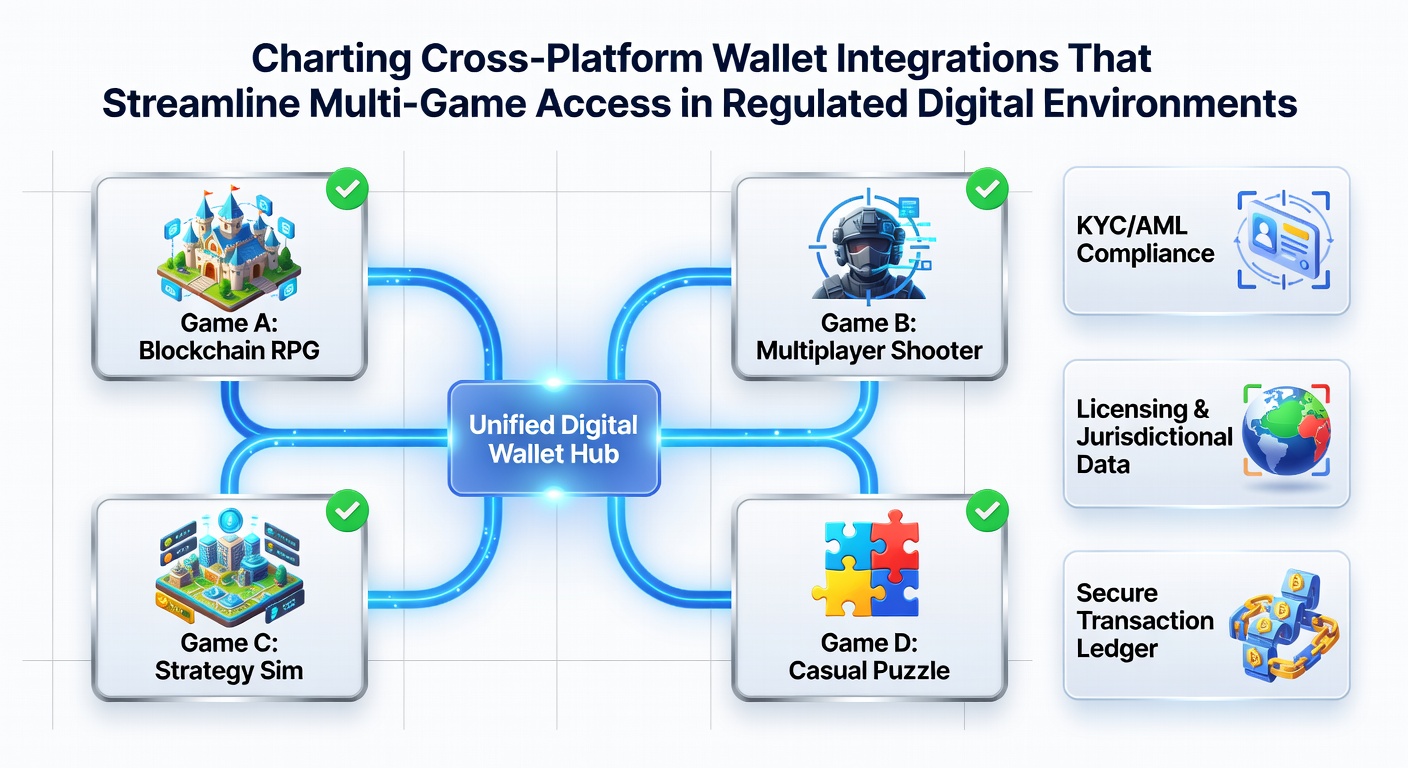
Observers note that these overlapping requirements push developers toward open standards rather than proprietary silos, and industry groups such as the European Gaming and Betting Association have published interoperability frameworks that reference data formats already in use by several major payment processors. Compliance teams track every transaction through immutable logs, which supports both tax reporting and responsible gaming tools that can pause activity across all linked games from one dashboard control.
Operational Benefits Observed in Live Deployments
Operators who have rolled out unified wallets report that players complete more game switches per session because funding steps drop out of the workflow, and aggregated usage statistics shared by platform vendors show higher retention metrics in markets where such integrations launched before 2025. The same systems support instant verification of bonus eligibility across game types, which means promotional credits applied in one vertical remain available when a user moves to another category without additional claims processes. Security layers built into these wallets incorporate multi-factor authentication that travels with the account, reducing repeated logins while still satisfying know-your-customer checks demanded by licensing bodies.
Technical Challenges and Solutions in Multi-Game Environments
Latency issues can arise when wallets must sync balances across geographically distributed game servers, yet solutions involving edge caching and asynchronous reconciliation have cut average sync times in production environments. Developers also address varying currency and tax treatments by embedding jurisdiction-specific rules engines inside the wallet layer, which automatically applies correct withholding or conversion rates at the moment of each transaction. Research from academic centers studying digital payment systems in gaming has highlighted that modular designs allow quicker updates when new regulations emerge, such as the enhanced data-sharing mandates introduced in several U.S. states during spring 2026.
Case Examples from Established Markets
One deployment covering both casino and sports products in a single North American jurisdiction demonstrated that wallet-linked accounts reduced support tickets related to balance discrepancies by over thirty percent within the first quarter after launch, according to internal metrics released by the operating company. Another rollout in an Australian-licensed setting connected live dealer tables with slot servers through a shared wallet that enforced spending limits uniformly, and regulatory filings indicated full compliance during subsequent audits without additional manual reconciliation steps. These examples illustrate how the same technical patterns scale when operators obtain licenses across multiple territories.
Conclusion
Cross-platform wallet integrations continue to evolve in response to both technological capabilities and regulatory demands across regulated digital environments, delivering streamlined access that connects diverse game offerings under unified account controls. Data collected through mid-2026 shows measurable improvements in session continuity and compliance efficiency where these systems operate, and ongoing standardization efforts by industry and governmental bodies point toward further refinements in the coming periods.