Geofencing Protocols Controlling Progressive Jackpot Slot Access in Restricted Zones
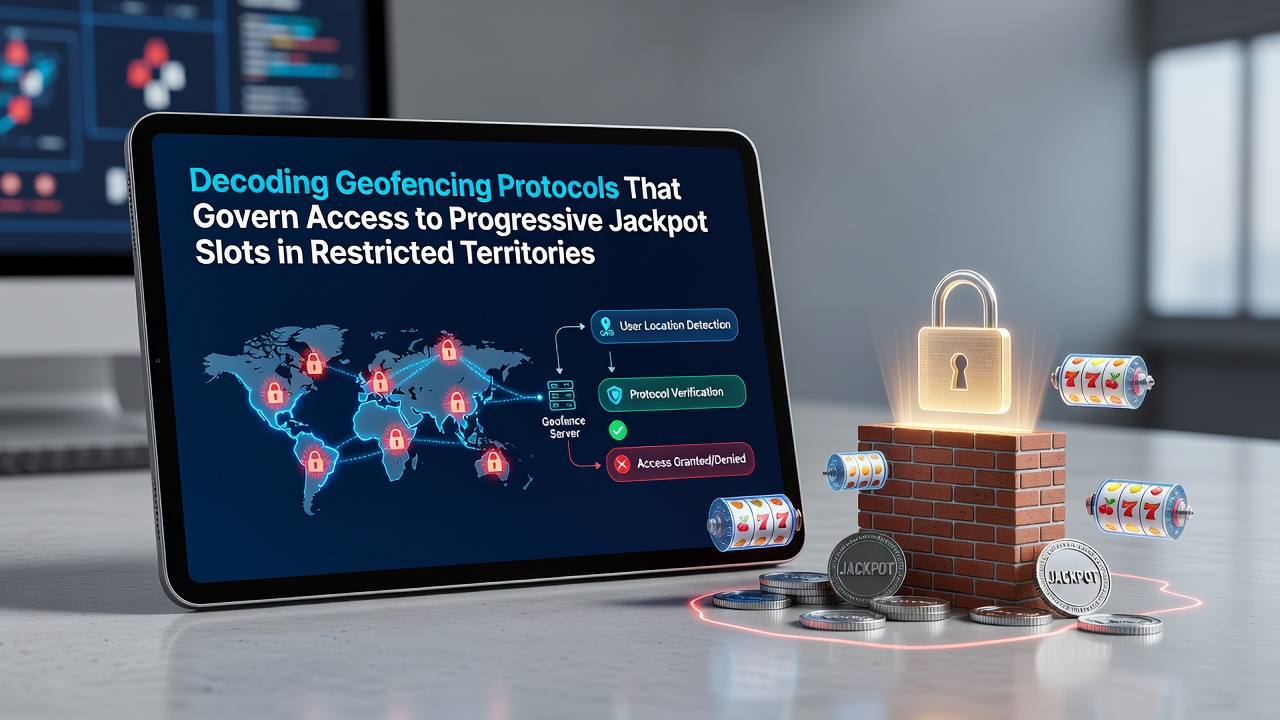
Geofencing protocols rely on layered location technologies to enforce access rules for progressive jackpot slots, which pool contributions across multiple jurisdictions and face strict territorial limits. These systems combine GPS coordinates, IP address mapping, cellular triangulation, and WiFi signal verification to determine whether a player sits inside an approved area before any spin activates the shared prize pool. Operators must maintain compliance because progressive jackpots often cross state or national lines, creating legal exposure when funds originate from restricted territories.
Core Technologies Behind Location Verification
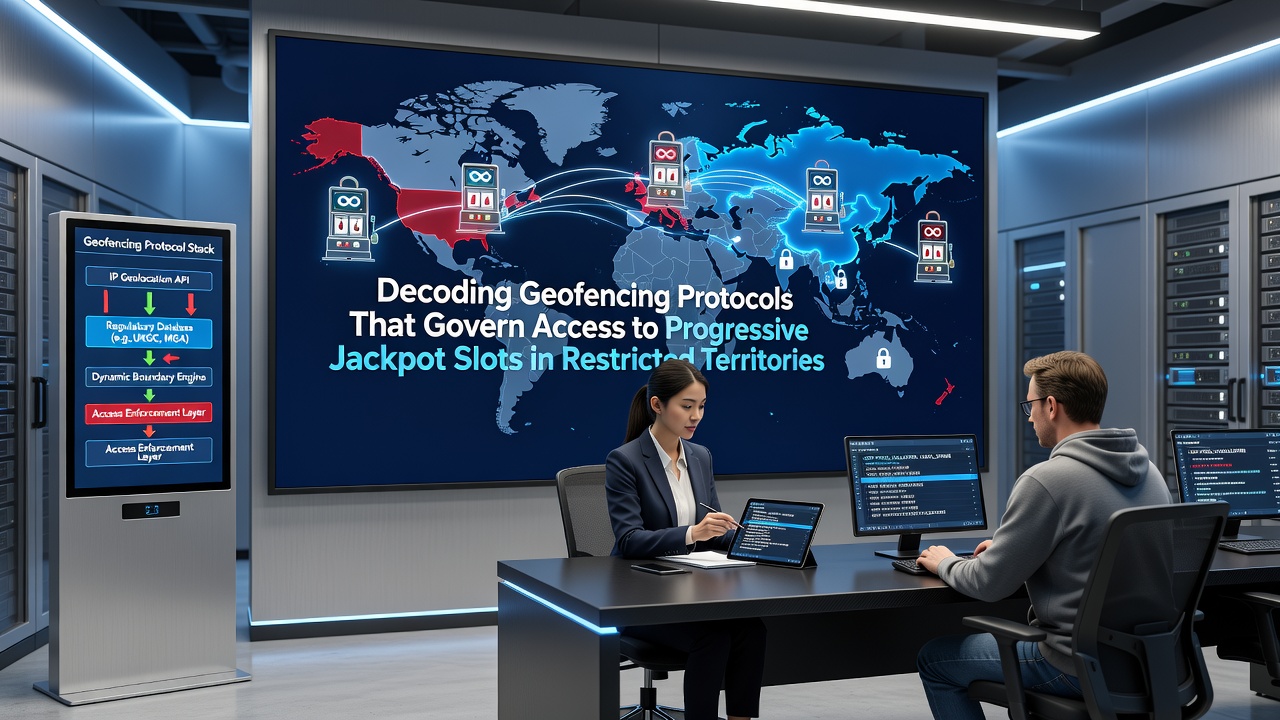
Modern platforms integrate several data streams simultaneously rather than depending on any single method. GPS provides latitude and longitude with typical accuracy within ten meters, yet urban canyons and indoor environments degrade signals, so operators layer additional checks. IP geolocation databases map the user's internet provider address to physical regions, while device sensors report nearby cell towers and WiFi networks for cross-reference. When all sources align inside permitted boundaries, the session unlocks progressive jackpot eligibility; any mismatch triggers an immediate block and redirects the player to non-progressive games.
Updates rolled out across several U.S. states in July 2026 required tighter synchronization intervals, shortening the time between location pings from sixty seconds to fifteen. This adjustment addressed attempts to spoof coordinates through VPN rerouting or emulator software. Regulators in Pennsylvania documented a measurable drop in unauthorized access attempts after the new timing standards took effect.
Regulatory Frameworks Across Regions
Different jurisdictions impose distinct geofencing thresholds. The New Jersey Division of Gaming Enforcement mandates continuous location confirmation throughout the entire session, whereas Ontario's iGaming framework accepts initial verification plus periodic spot checks. In Australia the Australian Communications and Media Authority requires operators to maintain audit logs of every location query for at least seven years, enabling retrospective investigations into jackpot payouts that crossed state borders.
One study conducted by researchers at the University of Nevada, Las Vegas examined six months of server logs and found that combined GPS-plus-WiFi protocols reduced false positives by 38 percent compared with GPS alone. The findings prompted several tribal gaming authorities to adopt similar multi-factor models during their 2026 platform upgrades.
Operational Challenges for Operators
Progressive jackpot networks must reconcile real-time location data with the pooled prize mechanics that span multiple casinos or states. When a player crosses a geofence boundary mid-session, the system freezes further contributions to that jackpot and switches the interface to local fixed-prize alternatives. This transition occurs seamlessly for the user yet requires precise backend accounting so that contributed amounts remain correctly allocated.
Network latency presents another hurdle. Rural areas with weaker cellular coverage sometimes experience brief location query failures even though the player remains physically inside the permitted zone. Operators counter this by implementing grace periods of up to thirty seconds before locking the jackpot feature, a practice now codified in several state technical standards updated during summer 2026.
Future Developments in Verification Accuracy
Industry groups such as the European Gaming and Betting Association have begun exploring 5G network slicing as a supplementary verification layer. Early tests indicate that 5G base-station data can pinpoint devices within a few meters without relying on satellite signals, potentially solving indoor accuracy gaps. Meanwhile, academic teams continue modeling adversarial attacks that attempt to manipulate location services, with results feeding directly into next-generation compliance software.
Conclusion
Geofencing protocols form the technical backbone that allows progressive jackpot slots to operate legally across fragmented regulatory landscapes. By combining multiple location signals, enforcing frequent verification cycles, and maintaining detailed audit trails, operators satisfy territorial restrictions while preserving the integrity of shared prize pools. Continued refinement of these systems, driven by both regulatory updates and technological advances, ensures that access remains confined to authorized territories even as networks grow more complex.